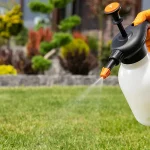

Pests can wreak havoc on your lawn in a short amount of time, so if you discover an infestation, it’s understandable why you may immediately want to turn to pesticides. However, these treatments use potent chemicals which can be dangerous to children and pets, are short-lived and do little to address the underlying reason why the pests were drawn to your property in the first place. That’s why we recommend only using insecticides as a last resort against lawn pests.
Natural Pest Control Tips
Using insecticides should be considered as a final option when dealing with infestations. It’s always best to deter pests using natural lawn care techniques that limit your use of chemicals and provide long-term protection. To prevent pests naturally, try these tips before insecticides:
- Keep your lawn neat and tidy: Keep well maintained lawns, mow your lawn regularly at the appropriate height for your grass type to keep your turf healthy and make your yard less attractive to pests. Also, take the time to regularly remove any leaves or debris that may build up.
- Water your lawn the right amount: Watering deeply and infrequently encourages deep root growth, which makes your grass more resilient against pests. Since infestations are more common in overwatered lawns, make sure you’re not watering too frequently.
- Maintain great soil health: Fertilizing your lawn at least twice per year – once in the spring and once in the early fall – will provide your grass with the nutrients it needs. Not only will this make your lawn look great, but it will make your turf more resistant to pest damage.
- Aerate the soil: Compacted soil can attract pests in two ways; first, it creates a shallow root system that leaves your grass weak and vulnerable to infestations. And second, it prevents proper drainage, making your lawn wet and more likely to be invaded by pests.
- Work with a lawn expert: Qualified lawn care professionals understand the importance of natural pest prevention and use industry-leading practices to get you the best results possible. They can help create a long-term protection plan against pests.
Ready for your INSTANT quote?
Click the button below to leave your information and we’ll be in touch with a free quote!
When Should I Use Insecticides?
If you’ve implemented all of the advice above and are still overrun with unwanted insects or rodents, then insecticides might be a good option. These treatments can help eliminate severe infestations in a short amount of time, leading to a healthier and pest-free lawn. However, remember to do your research or work with a licensed professional to ensure you’re using the correct treatment for your needs.
If you find yourself contending with pests and can’t seem to get rid of them, reach out to Heron Home & Outdoor! Our experts employ Integrated Pest Management (IPM) strategies, leveraging pest biology and behavior to prevent infestations. We can also provide expert advice on the best methods to protect your lawn year round with our lawn care guides. Our licensed professionals are capable of devising a personalized plan tailored to your property.