
Our Eco-Friendly Guide to Getting the Most Out of Your Lawn Clippings
Key Takeaways
- Grass clippings are more than just waste – they can be a useful tool for growing a healthy, beautiful lawn.
- They contain nutrients like nitrogen, potassium, and phosphorus.
- There are several easy and eco-friendly ways to get the most out of them.
- Don’t reuse your grass clippings in these ways if your lawn is full of weeds, as it will result in the distribution of weed seeds everywhere, and a much harder weeding task later on.
What to Do With Grass Clippings
Maintaining a beautiful lawn requires regular mowing, but a byproduct of mowing is grass clippings. What are you supposed to do with them?
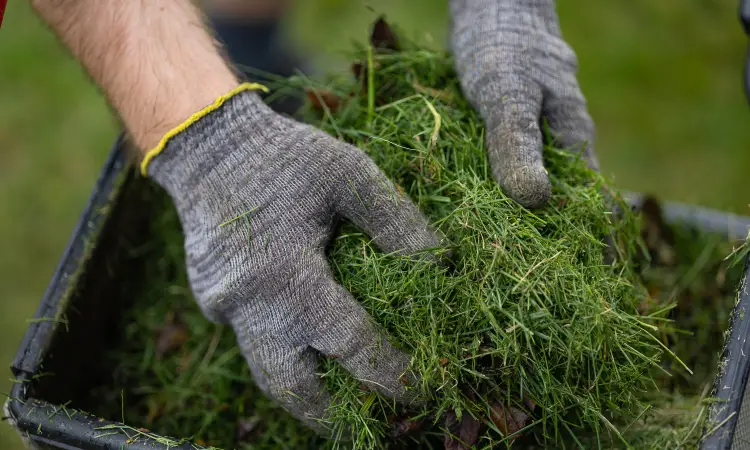
First off: don’t look at grass clippings as a waste product to get rid of. Many people simply bag them up and have them hauled away, but savvy homeowners know they’re a potentially valuable tool for growing a healthy and vibrant lawn.
 You have several options when it comes to grass clippings.
- Grasscycling
- Composting
- Mulching
- Lasagna gardening
- Giving them away
What Can You Do with Lawn Clippings?
Lawn clippings are the leftover grass pieces generated during the mowing process. They represent a rich source of organic matter, composed primarily of water, cellulose, and various nutrients like nitrogen, potassium, and phosphorus.
Don’t think of it as waste. It’s readily available organic material – as good as gold.
Five Eco-Friendly Suggestions for Grass Clippings
These tips for reusing your grass are intended for lawns with few weeds. If your lawn is full of weeds, you’ll want to bag and remove them. If you don’t, the weed seeds will proliferate throughout your lawn, resulting in a much worse weed problem.
1. Leaving Clippings on the Lawn (Grasscycling)
This is probably the easiest solution, and there are a variety of benefits to leaving the finely chopped grass clippings directly on the lawn after mowing. One of the main advantages of ‘grasscycling’ is natural fertilization. Decomposing grass releases nutrients like nitrogen and potassium back into the soil, giving your lawn an all-natural nutrient-rich boost.
It also helps to reduce watering needs as the layer of clippings helps retain moisture in the soil, minimizing the need for frequent watering, especially during hot summer months.Decomposing grass clippings also add organic matter to the soil, promoting healthy microbial activity and improving soil structure.
Here are some tips for successful grasscycling:
- Maintain a regular mowing schedule with shorter cutting heights. This allows the clippings to decompose faster and prevents them from forming a thick layer that can smother the grass.
- Use a mulching mower. These mowers chop the clippings into finer pieces, facilitating faster decomposition and promoting even distribution on the lawn.
- Avoid clippings from recently treated lawns. If you’ve used herbicides or pesticides on your lawn, avoid leaving the clippings behind, as they might contain harmful residues.
- Don’t grasscycle after mowing wet grass. The grass will clump and not distribute evenly, which won’t have the intended effect, and possibly result in fungus spread. Grass clippings should be dry before grasscycling.
2. Composting
Grass clippings can be a valuable addition to your compost pile. However, balance is key. While grass clippings provide nitrogen, a key nutrient for composting, they are also high in carbon.
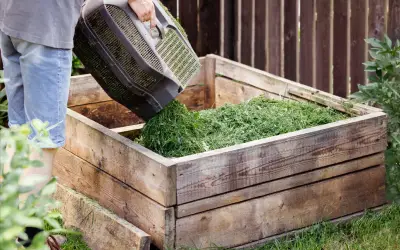 To ensure proper decomposition, combine them with “brown” materials like leaves, twigs, or shredded paper to create a balanced mix of carbon and nitrogen.
It’s a good idea to chop the clippings as smaller pieces decompose faster and contribute to a better-aerated compost pile. Avoid using grass clippings from lawns treated with herbicides as these may add harmful chemicals to your compost pile.
3. Mulching
Fresh or partially decomposed grass clippings can be used as mulch around trees, shrubs, and flower beds. Used as mulch, grass clippings can help with weed suppression as the layer of mulch helps block sunlight from reaching the weed seeds. It can also aid moisture retention reducing the need for frequent watering.
Placing mulch around plants and trees helps regulate soil temperature, keeping it cooler in the summer and warmer in the winter, providing a beneficial environment for plants.
Here are our top tips if you decide to mulch with them:
- Use only partially decomposed clippings. Avoid using fresh grass clippings, as they can create an environment conducive to fungal growth.
- Apply a thin layer. A 2-inch layer of mulch is ideal. Too much mulch can smother plants and restrict air circulation.
- Keep the mulch away from the base of plants: This helps prevent moisture buildup and potential rot around the plant’s stem.
Ready for your INSTANT quote?
Click the button below to leave your information and we’ll be in touch with a free quote!
4. Lasagna Gardening
Lasagna gardening is a method that utilizes layers of organic materials to create a raised garden bed. Grass clippings can be incorporated into the lasagna garden layers, providing a source of nitrogen and organic matter for the soil.
5. Giving Them Away
If you have more clippings than your lawn needs, offer them to neighbors who might appreciate them for their own composting or mulching purposes.
You can also research local drop-off programs and check if your local area has programs that accept yard waste, including grass clippings, for composting or other environmentally responsible uses.
Lawn Clipping FAQs
It’s a common myth, but no! Thatch is actually a layer of tough, woody roots and stems that are slow to break down. Because grass clippings are about 80% to 85% water and high in nitrogen, they decompose very quickly once they hit the soil.
In fact, the microbes that feast on your clippings actually help stimulate a healthier soil environment, which can assist in breaking down real thatch faster. Just remember to mow regularly so the clippings stay small and “disappear” into the lawn!
While leaving grass clippings on the lawn during mowing (grasscycling) can offer benefits like nutrient recycling and improved soil health, it’s not the most effective method for directly promoting grass growth in bare spots.
Grass clippings primarily contain decomposed grass matter, not viable seeds. Spreading them on bare spots won’t necessarily result in new grass growth. A thick layer of clippings can smother existing grass shoots or newly planted seeds, hindering their growth.
For effective grass establishment in bare spots, try this:
- Lightly rake the bare area to remove any debris or matted grass that might impede seed-soil contact.
- Choose a grass seed variety suitable for your climate and soil conditions and follow the recommended seeding rate and planting depth for optimal germination.
- It’s also a good idea to lightly cover the seeded area with a thin layer of soil or straw to retain moisture and promote seed germination.
- Finally, keep the seeded area consistently moist, but not soggy, throughout the germination and establishment period.
It depends on the type of treatment used. While the nutrients in standard fertilizers are generally safe to recycle back into your lawn immediately, herbicides (weed killers) require more caution:
- For Weed Killers: If you have applied a systemic herbicide, you should wait through at least three mowings before using those clippings as mulch or in a compost pile. These chemicals are designed to kill broadleaf plants and can remain active in the clippings, potentially harming your flowers or vegetable garden if used too soon.
- For Standard Fertilizers: You can typically resume grasscycling (leaving clippings on the lawn) immediately. The clippings will actually work in tandem with the fertilizer to provide a steady stream of nitrogen to the soil.
- Safety First: If you are unsure about the specific chemicals in your lawn treatment, it is always best to bag and dispose of the clippings for the first few weeks or consult the safety label on the product packaging.
Call Our Lawn Care Professionals
By implementing sustainable practices like grasscycling, composting, and mulching with grass clippings, you can contribute to a healthier lawn and a more sustainable environment. Seeking professional lawn care assistance can further enhance your lawn care efforts and really help your lawn to thrive.
That’s where the expert team at Heron Home & Outdoor can help! We’ll analyze your lawn and recommend eco-friendly solutions tailored to your specific needs and goals. We can provide expert advice on setting up and maintaining a compost pile, including utilizing grass clippings effectively. Remember – don’t toss – repurpose!
For further lawn care advice, take a look at our lawn learning center, our handy lawn FAQs, or check out our lawn care 101 page.