Maintaining a perfect Florida lawn comes with a lot of potential problems, including lawn pests. Lawn pests can quickly turn a healthy green lawn into something much more difficult to manage. Because lawn insects are difficult to identify, it’s important to learn which ones are most common in our area.
The lawn care and pest control experts at Heron Home & Outdoor are here to help.
Common Lawn Bugs
The most common lawn bugs found in Florida are chinch bugs, fire ants, sod webworms, armyworms, and mole crickets. These tiny invaders can wreak havoc on your lawn, causing brown patches, thinning grass, and overall decline in the health and appearance of your yard.
Chinch bugs, for instance, feed on grass blades, while armyworms devour grass from the roots up. Mole crickets tunnel beneath the surface, damaging grass roots and creating unsightly tunnels.
- Chinch bugs absolutely love St. Augustine grass. They are tiny, less than 1/8th of an inch long, and have black bodies with white wings. Chinch bugs attack your lawn by sucking the liquid out of grass blades. In doing so, patches of grass on your lawn will dehydrate, turn yellow, then brown and die.
- Fire ants are known for their dark red bodies and burning, itching stings. These can be particularly dangerous for those who are allergic, as they can cause anaphylaxis. Their main identifier is the dirt mounds you’ll find on your lawn. When disrupted, the ants will race out and attack. It’s important to catch fire ants in time, as they can create underground tunnel systems that will leave your lawn weak and damaged.
- Mole crickets are particularly disruptive to the root structure of your grass. They feed on and chew through the grassroots, causing your grass to die off. When dealing with mole crickets, your grass will feel spongy when stepped on and be covered with brown patches. Because the grass lacks roots, individual blades will be easily pulled.
- Sod webworms chew through small areas of grass. They create tunnels out of their silky web that will run under the grass. Signs to look for include raggedly-chewed grass and smaller brown spots- around the size of a baseball. However, if a large infestation is present, they can destroy a whole lawn in a few days.
- Armyworms are small caterpillars that grow into moths. The females lay up to a thousand eggs at once in patches of fresh grass. These can hatch as quickly as 2 days. To spot these guys, you’ll want to look on the outside of dead or damaged grass areas. The grass will look as if it’s alive as they move. Their swift reproduction rate makes these guys a major lawn hazard.
Common Garden Grubs
Garden grubs are another common nuisance for homeowners in Florida, particularly those with lush gardens and landscaping. These voracious larvae of various beetle species, such as Japanese beetles, Scarab beetles, and June bugs, can quickly decimate plants, flowers, and even small shrubs if left unchecked.
Garden grubs typically feed on grass roots, plants, and ornamentals, causing wilting, yellowing foliage, and eventual death if infestations are severe. Signs of their presence include irregular patches of dying grass or plants that easily pull up from the soil due to root damage.
- Japanese beetles are among the most destructive lawn pests in Florida. These plump, white larvae can grow up to an inch long and spend months underground munching on grassroots. By the time they emerge as metallic green and copper adults, the damage is already done. You’ll notice irregular brown patches that peel back like loose carpet because the root system has been completely destroyed.
- Scarab beetles operate similarly, targeting the tender roots of your turf. These white larvae have distinctive brown heads and can devastate large sections of lawn when populations get out of control. A telltale sign of scarab grub activity is increased wildlife digging in your yard.
- June bugs are another common culprit behind mysterious lawn damage in Florida. These robust larvae spend one to three years underground before emerging as the clumsy, buzzing beetles we see swarming porch lights in early summer. During their extended underground phase, they continuously feed on roots, leaving your lawn thin, weak, and unable to withstand Florida’s intense heat and drought conditions.
Ready for your INSTANT quote?
Click the button below to leave your information and we’ll be in touch with a free quote!
Signs of Lawn Pests
Some of the most common signs of lawn pests include:
- Increased insect or rodent activity: Coming across pests, live or dead, is a big indication that you likely have an infestation. Most insects and rodents stay hidden in the grass, so if you see them out in the daylight, there are likely many more on your property.
- Tunnels or burrows in the soil: While moles are most famous for digging tunnels and leaving behind distinctive dirt mounds, there are several types of pests that may burrow in your lawn. If your grass is very weak and brittle, the root system could have been damaged by pests while digging.
- Chewed or notched grass blades: Chinch bugs, armyworms, and other insects may feed on your grass and leave behind small notches or holes in the leaves. Seeing this type of damage across your lawn is a telltale sign of an infestation, even if you don’t notice the insects themselves.
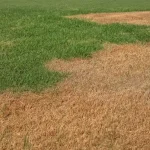
- Irregular patches or dead spots: While irregular patches could also be a sign of fungal growth, it may indicate that there are pests chewing away at your lawn’s root system. Diagnosing discolored or dead patches in your lawn is particularly difficult, so keep an eye out for other signs of an infestation if you notice this problem.
What to Do If You Have Pests in Your Lawn
Pest problems only get worse as time goes on, so it’s important to take quick action if you suspect you have an infestation. However, lawn pests can be very difficult to control, especially considering that you’ll have less control over environmental factors that contribute to the invasion. So, if you think you have pests in your lawn, follow these steps:
- Figure out what species you’re dealing with: You wouldn’t treat a mole infestation the same way as a fire ant hill. For that reason, it’s best to start by determining exactly what type of insect or rodent is in your lawn.
- Eliminate excess moisture: Like any organism, pests need water to survive and are more likely to invade areas that have easy access to moisture. Avoid overwatering, enhance your soil’s drainage, and try fixing any other potential problems such as overflowing gutters or leaky irrigation pipes.
- Remove clutter and cut your grass regularly: Pests prefer areas with plenty of hiding places. Routinely raking your lawn and removing excess debris, like sticks or twigs, can make your property less attractive to them. Additionally, cut your lawn fairly regularly to keep it from getting too long.
- Call a local pest control company: If you suspect pest activity in your lawn, it’s best to consult with a local lawn care professional, extension service, or pest control specialist. They can help identify the specific pests and provide appropriate treatment options based on your region and the type of pests involved.
Get Rid of Lawn Pests With Expert Help
If you notice any signs of a lawn pest, be sure to call a professional immediately, as damage can happen before you know it. At Heron Home & Outdoor, we offer free same-day inspections!
Contact us today for your free same-day inspection, and we’ll get your lawn looking great again with our top-notch lawn care services.