
How to Protect Your Lawn & Grass from Frost in Central FL
Metro Orlando FL | Kissimmee - Sanford - Leesburg
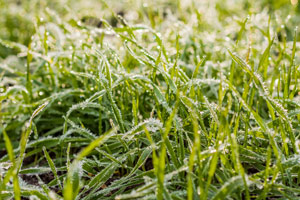
While Florida is known for its warm, sunny days, our region isn’t immune to occasional cold snaps that can bring frost to your lawn. Frost damage on grass can be a startling sight for Florida homeowners.
While frost itself doesn’t always harm your turf, the real danger comes from walking on frozen grass blades. When you step on frost-covered grass, those fragile, partially frozen blades can snap and break. This leads to brown, damaged patches across your lawn.
Whether you have established St. Augustine grass or recently seeded areas, understanding how to protect grass from frost (and how to recover from lawn frost damage) is essential for maintaining a lush, healthy yard year-round. At Heron Home & Outdoor, we’re Florida’s lawn care experts, dedicated to helping your turf thrive through every season.
Signs of Frost Damage on Grass
- Brown or “burnt” appearance starting at the leaf blade tips.
- Discoloration spreading downward through the grass.
- Patches of wilted or crispy-looking turf.
How Do I Treat My Lawn for Frost Damage?
Once temperatures warm up, follow these steps to help your lawn bounce back:
- Mow your lawn to remove dead, damaged leaf blades and encourage fresh, green growth.
- Be patient. Recovery takes time, but your grass will fill back in.
- Avoid overwatering. Too much moisture can create conditions for fungal disease and set back your lawn’s recovery.
You may notice your neighbor’s lawn looks different from yours after a frost. Several factors influence how frost affects individual lawns:
- Wind exposure
- Recent irrigation timing
- Tree canopy coverage
- Variety of St. Augustine turf (some cultivars are more frost tolerant than others)
Rest assured, with the right care, your lawn will grow out of the damage beautifully.
Will Grass Continue to Grow After a Frost?
Yes. Grass typically does grow after frost, especially here in Florida where cold snaps are usually brief. Frost can temporarily slow growth, but resilient warm-season grasses like St. Augustine will resume growing once temperatures climb back up.
However, severe or prolonged freezing conditions may cause more significant damage. If your lawn experiences an extended freeze, it may take longer to recover, but it’s rarely permanent. Florida‘s mild winters mean your lawn has plenty of time to bounce back before the growing season kicks into high gear.
Can You Mow Grass After Frost?
Wait until the frost has melted and your grass has fully thawed before mowing. Running a mower over frozen grass can crush and damage the blades, making the problem worse.
Once the sun has warmed your lawn and the frost has disappeared, it’s safe to mow. In fact, mowing after frost damage helps remove dead material and stimulates new, healthy growth.
How Should I Water My Lawn in Winter?
Florida‘s winters are milder than much of the country, but adjusting your watering schedule is still important. Here’s what to keep in mind:
- Water less frequently than during summer months.
- Allow occasional deep watering to keep roots healthy.
- Monitor soil moisture. Your lawn shouldn’t be bone dry, but overwatering invites problems.
- Avoid watering before a freeze. Wet grass is more susceptible to cold damage.
Finding the right balance helps your lawn enter a natural semi-dormant state while staying healthy enough to green up quickly when spring arrives.
Click the button below to leave your information and we’ll be in touch with a free quote! Ready for your INSTANT quote?
How to Protect New Grass Seed from Frost
New grass is especially vulnerable to cold temperatures, so taking preventive measures is essential. Here’s how to protect new grass from frost:
- Cover seeded areas with a light layer of straw or hay. This provides natural insulation while still allowing sunlight and moisture through.
- Use frost cloth or blankets overnight. Remove them during the day to let your grass breathe and receive sunlight.
- Water the area before an expected frost. Moist soil retains heat better than dry soil, offering an extra layer of protection.
- Avoid foot traffic. Stay off newly seeded areas, especially when frost is present.
Protecting new grass from frost takes a bit of extra effort, but the payoff is a healthy, established lawn that thrives for years to come.
What Is My Best Option If My Lawn Has Frost Damage?
If you’ve noticed frost damage on your lawn, here’s what you need to know: that brown, scorched appearance you’re seeing starts at the top of each leaf blade and works its way down. Unfortunately, frost damage to grass cannot be reversed. It must grow out naturally.
But don’t worry! Heron Home & Outdoor’s lawn care programs focus on:
- Strong root development to support healthy regrowth
- Micro-nutrient applications to promote greening
- Customized treatments designed for Florida‘s unique climate
Frost Tolerant Grass Options for Florida
If frost damage on lawns is a recurring concern for your property, you might consider frost tolerant grass varieties better suited to occasional cold snaps. While St. Augustine is the most popular turf in Florida, some cultivars offer improved cold tolerance:
- Palmetto St. Augustine
- Floratam St. Augustine
- Zoysia grass
Our lawn care experts can help you determine the best frost tolerant lawn solution for your specific property and sun/shade conditions.
Trust Florida‘s Lawn Care Experts
Dealing with frost damage on grass, protecting new grass seed from frost, or simply maintaining a frost tolerant lawn throughout Florida‘s cooler months doesn’t have to be stressful. At Heron Home & Outdoor, we provide expert lawn care services designed specifically for our region’s unique climate and turf varieties.
Ready to give your lawn the protection and care it deserves? Contact our team today for personalized winter lawn care advice and discover how our proven programs can keep your Florida lawn healthy and beautiful all year long.