
Essential Tips for After a Hurricane
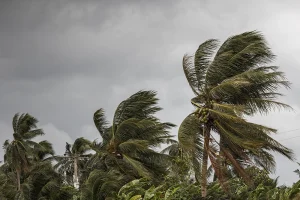
Hurricane season in the U.S., from June 1st through November 30th, brings more than just fierce winds and heavy rains. These storms can cause serious structural damage and leave homeowners with a long list of repairs. Beyond the visible destruction, hurricanes also create ideal conditions for pests to multiply, making awareness and prevention crucial.
After the storm, stagnant water becomes a breeding ground for mosquitoes, and pests like rodents often become more active. Many people don’t realize how fast these pests can turn into major infestations.
That’s why pest control is essential during recovery. Incorporating effective pest management into your cleanup process protects your home and health. For practical guidance, be sure to follow our important post-hurricane tips.
What to Do After a Hurricane
Post-hurricane conditions often lead to a surge in mosquito and rodent populations. These pests are dangerous because they spread illnesses, and rodents can cause costly building damage. Floodwaters also pose a threat as fire ants cluster in floating masses that sting when agitated.
Keep yourself safe by reviewing these essential post-storm tips:
Mosquito Prevention Tips for Hurricane Recovery
- Remove Water: Empty all standing water around your property, including buckets, tarps, tires, and lawn equipment where water can collect.
- Improve Drainage: Make sure water drains properly from gutters, flower pots, ditches, and stormwater drains to stop mosquitoes from breeding.
- Use Repellent: Apply EPA-approved insect repellents containing DEET, picaridin, or oil of lemon eucalyptus to protect exposed skin.
- Dress Safely: Wear long sleeves, pants, closed-toe shoes, and light-colored clothing during cleanup to help reduce mosquito bites.
- Avoid Peak Times: Limit outdoor activities during dawn and dusk when mosquitoes are most active and bites are more likely.
Hurricane Aftermath: How to Keep Food Safe
- Flooded Produce: Avoid eating fruits, vegetables, or any unpackaged food that has come into contact with floodwaters.
- Contaminated Gardens: Do not consume produce grown in gardens exposed to floodwaters.
- Damaged Cans: Discard any canned food with bulging, dents on seams, or visible swelling.
- Unsafe Cans: Avoid using cans with snap tops, pull tops, or any home-canned goods, as they may be unsafe.
- Spoiled Refrigeration: Throw away all perishable foods if your refrigerator lost power during the storm.
- Thawed Frozen Items: Do not eat frozen foods that thawed above 41°F or remained thawed for more than four hours.
- Boxed Goods: Discard all packaged dry goods like cereal, flour, pasta, and similar items, even if they look dry.
- Discard Porous Items: Get rid of items that cannot be fully disinfected, such as wooden cutting boards, baby bottle nipples, paper napkins, and paper towels.
- Sanitize Surfaces: Thoroughly clean and disinfect all dishes, utensils, and food-contact surfaces before using them.
Storm Aftermath: Protecting Your Home From Pests
- Clear Debris: Remove fallen trees, branches, and leaves from your yard since these can offer shelter and breeding spots for pests.
- Manage Waste: Keep trash bins clean and place them away from your home to reduce the chance of attracting pests.
- Unclog Gutters: Regularly clean out gutters and storm drains to prevent standing water that invites pests.
- Dry Out: Eliminate moisture inside your home by removing soaked carpets, rugs, and furniture to help prevent mold and pest infestations.
- Seal Damage: Quickly repair any structural damage and seal holes or gaps to keep pests from entering your home.
Is the Spread of Mosquito-Borne Diseases Higher After Hurricanes?
Hurricane damage frequently creates ideal breeding environments for mosquitoes. Flooded areas and standing water left behind by the storm become prime locations for mosquitoes to lay eggs, causing their populations to surge. While many mosquitoes perish during the hurricane, floodwaters trigger dormant eggs to hatch, producing a new generation that usually appears seven to ten days post-storm.
Once hatched, female mosquitoes seek blood meals to reproduce. Without timely mosquito control during hurricane recovery, these populations can quickly expand, increasing the risk of mosquito-borne diseases in the affected area.
The rise in mosquito numbers can hinder hurricane recovery efforts. Both residents and relief workers face heightened exposure to bites, particularly during power outages when air conditioning isn’t available. Damaged window screens also make it easier for mosquitoes to enter homes, raising health risks and potentially slowing the overall recovery. Effective mosquito control is vital during hurricane recovery.
Protecting Communities from Disease with Mosquito Control
In Orlando, the threat of mosquito-borne diseases persists year-round, regardless of hurricanes or other disasters. Effective mosquito control and monitoring during hurricane recovery is key to hurricane safety. Working alongside Heron Home & Outdoor, the community can implement precise measures to combat illnesses like West Nile, Zika, and dengue. Safeguarding health calls for ongoing, collective dedication.
If a hurricane affects your area, know that we’re prepared to assist both customers and neighbors. Contact Heron Home & Outdoor for dependable guidance and support. We’re always available to help you through.