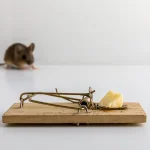

Many homeowners begin dealing with mouse and rat issues by trying common solutions such as bait stations and snap traps. However, questions often arise about how well these methods actually work and which option is the right choice for a specific situation. Since rodent habits and behaviors can affect the outcome, these concerns are understandable.
Learning the differences between bait and snap traps can help you better understand your options and choose a more effective approach for managing rodent activity in your home.
Selecting the Best Rodent Trap for Your Situation
Selecting between snap traps and bait stations can be challenging because every rodent situation is different. The design of your property and the amount of rodent activity present can influence which method works best. Consider these key points before choosing a solution:
- Identifying the Source of Infestation: Snap traps work best when positioned in areas where rodent activity is clearly visible, such as along walls, near baseboards, and on common travel routes. Bait stations may be more useful when rodent locations are harder to identify because they can help target activity across a wider area.
- Safety Concerns: Both snap traps and bait stations require careful handling, but bait stations with rodenticides may create additional concerns if they are reachable by children or pets. For proper placement and responsible use, consulting a pest control professional is often the best approach.
- Natural Pest Control Methods: Using traps along with preventative measures can improve overall rodent control results. Blocking entry points, keeping food areas clean, removing clutter, and reducing available shelter can help make your property less appealing to rodents while supporting long-term prevention efforts.
Rodent Snap Traps and How They Work
Used for generations, snap traps remain one of the most common methods for controlling rodents in residential and commercial properties. These traps operate with a pressure-sensitive trigger that releases a metal bar when a rodent interacts with the bait. Their simple design and reliable function have kept them popular over the years, often providing a quick result.
Ready for your INSTANT quote?
Click the button below to leave your information and we’ll be in touch with a free quote!
Because they are easy to set up and use, snap traps are most effective when placed along areas where rodents regularly travel.
Are Rodent Bait Stations Dangerous for Pets and Families?
Rat bait stations are enclosed containers that hold rodenticide and are designed to encourage rats to feed in a controlled area. Because the bait inside is toxic, these stations must be placed carefully and kept away from children, pets, and other non-target animals.
When used properly, bait stations can be an effective rodent control option. Some baits work by allowing rats to consume the product and return to their nesting areas, which may help reduce activity among multiple rodents.
Expert Solutions for Managing Rodents in Orlando
Dealing with a rodent infestation can be frustrating, especially when handling traps, removing rodents, and cleaning affected areas. Without the proper knowledge and equipment, these tasks can become stressful and difficult to manage. When DIY solutions fall short, professional rodent control is often the most reliable option.
At Heron Home & Outdoor, we offer comprehensive rodent services designed to address the entire problem, including inspections, removal, cleanup, and prevention strategies. Reach out today to help create a cleaner, more comfortable home environment.